Creamy Salmon Tagliatelle for Two (30-Minute Date Night Pasta)

Updated: Sep 10

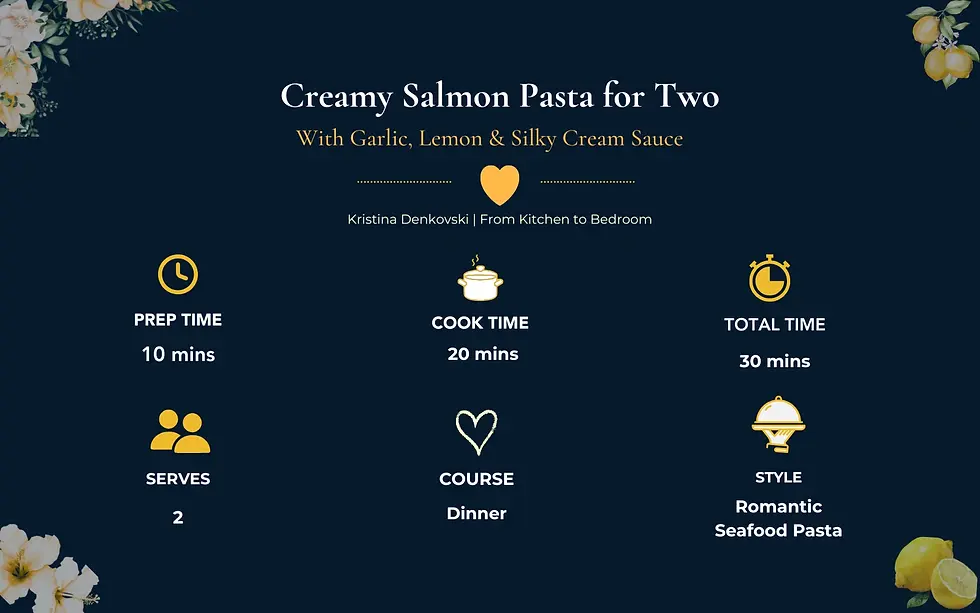
Creamy salmon pasta for two is a one-pan dinner that takes about 30 minutes.
Cook tagliatelle, pan-fry two salmon fillets for 3–4 minutes per side, then make a silky sauce in the same pan with butter, garlic, fennel seeds, a splash of white wine, ½ cup cream, lemon zest, and a little pasta water. Toss the pasta through the sauce, fold in the flaked salmon, lemon juice, and fresh dill or parsley, and serve straight away with a glass of Chardonnay or Chablis.
It is simple enough for a weeknight and special enough for date night at home.
Why You'll Love This Creamy Salmon Tagliatelle
This creamy salmon tagliatelle is quick, comforting, and ready in about 30 minutes.
The sauce is made with garlic, butter, cream, lemon zest, and reserved pasta water, so it stays silky instead of heavy. The salmon is cooked until just tender, then gently folded through the pasta with fresh herbs and lemon juice.
It is the recipe to reach for when you want something simple but still special: a creamy seafood pasta for a weeknight, a date night, or a quiet dinner for two at home.
A Dinner That Feels Like More Than Dinner
Some meals are not complicated, but they still feel intimate. This creamy salmon tagliatelle is one of them.
It has the comfort of cream and pasta, the freshness of lemon and herbs, and the richness of salmon folded gently through the sauce. Nothing needs to be overdone, no perfect plating. No stress. Just a warm pan, two plates, and a dinner that gives the evening a softer rhythm.
This is a beautiful dinner for two when you want something that feels elegant without becoming difficult. It works for a quiet date night at home, a slow weekend meal, or any evening when you want food, wine, and atmosphere to come together naturally.
Choosing the Best Salmon for Pasta
For the best flavour and texture, choose wild-caught salmon where possible. I prefer it not only for the way it tastes, but because sourcing matters, and a beautiful dinner begins with ingredients you feel good about.
Some salmon farming has raised concerns around antibiotic use and environmental impact, so it is worth asking where your fish comes from. That does not mean all farmed salmon is bad, but it does mean responsible sourcing matters.
If wild-caught salmon is not available, ocean trout is the closest alternative. It has a similar rich, buttery texture and works beautifully with garlic, lemon, herbs and cream.
Ingredients for Salmon Tagliatelle for Two
How to Make Creamy Salmon Pasta for Two
180–200 g tagliatelle
2 salmon fillets, skin removed if preferred
1 tablespoon olive oil
1 tablespoon butter
2 garlic cloves, finely chopped
¼ teaspoon fennel seeds, lightly crushed
2 tablespoons dry white wine
½ teaspoon pink peppercorns, lightly crushed
½ cup cream
¼ cup reserved pasta water
1 teaspoon lemon zest
1–2 tablespoons lemon juice
1 tablespoon fresh parsley or dill, chopped
Salt and pepper, to taste
Optional Additions
baby spinach
capers
chilli flakes
grated parmesan
extra lemon wedges
asparagus
rocket leaves
How to Make Creamy Salmon Tagliatelle for Two
1. Cook the Pasta
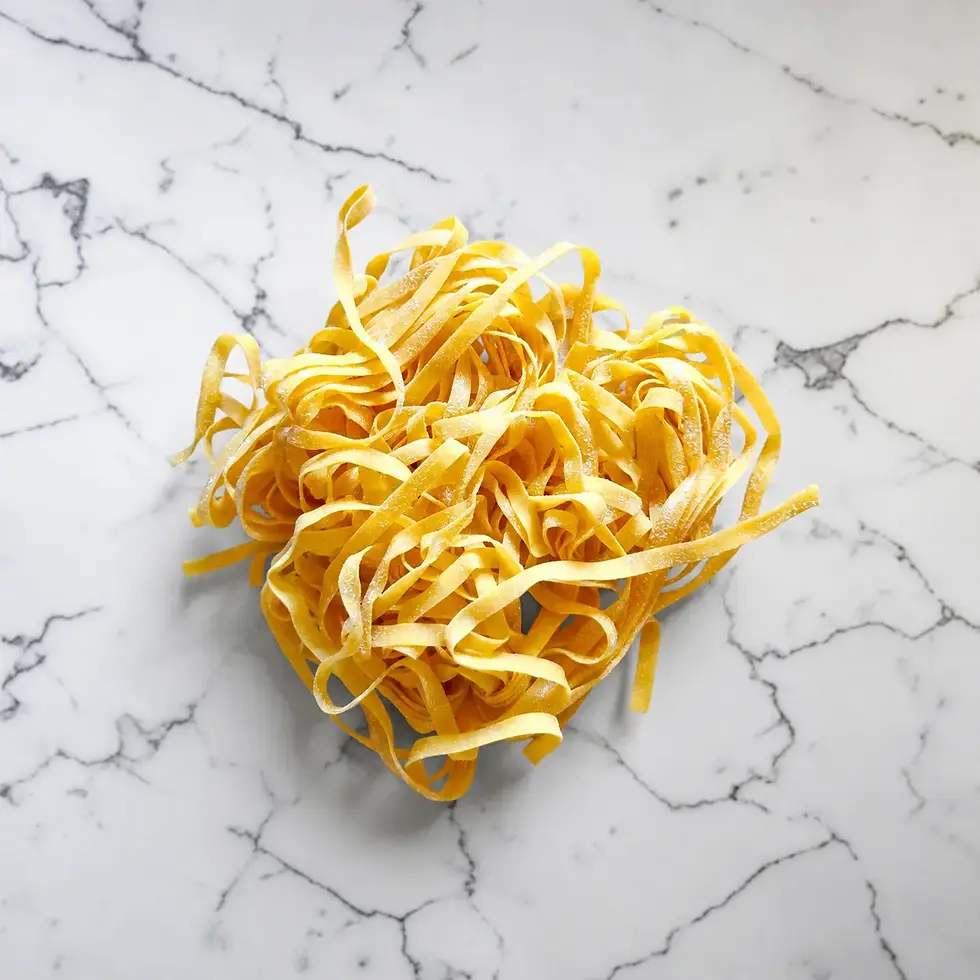
Bring a large pot of salted water to the boil and cook the tagliatelle until al dente. Before draining, reserve ¼ cup of pasta water.
The pasta water helps loosen the cream sauce and makes it silkier, so do not skip this step.

2. Cook the Salmon
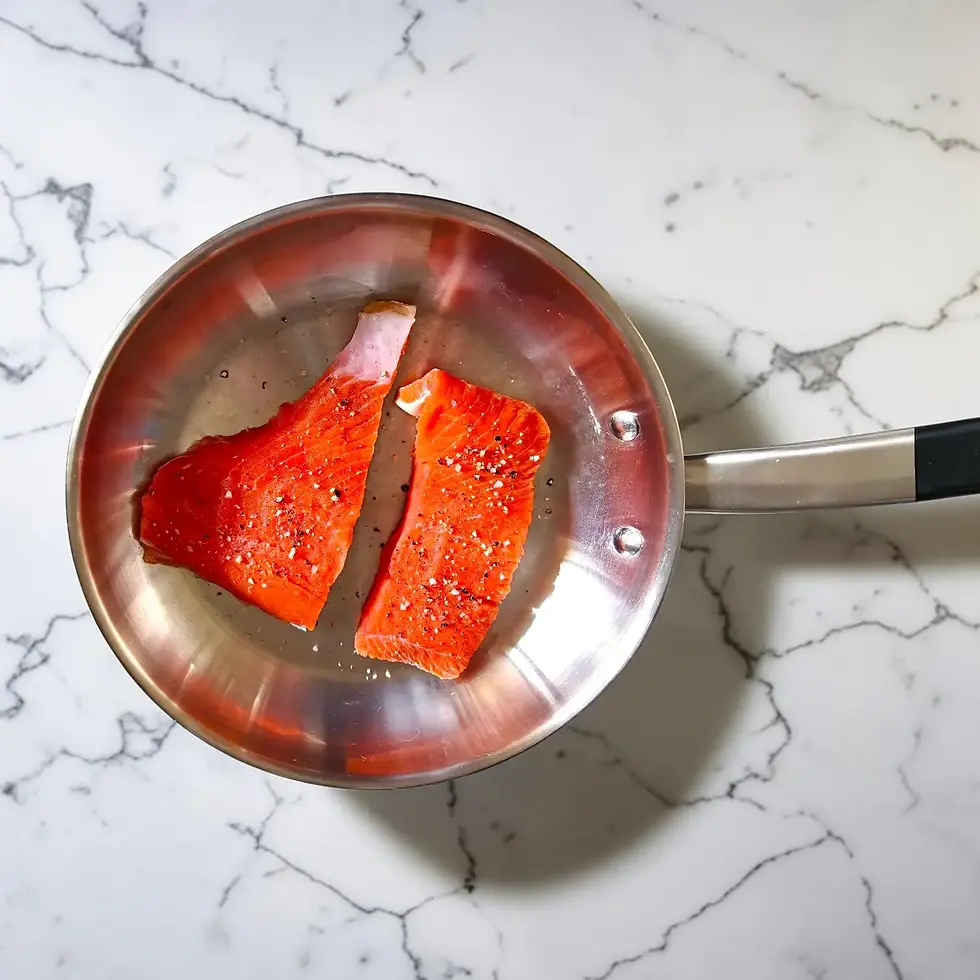
Pat the salmon dry and season with salt and black pepper. Heat the olive oil in a pan over medium heat. Cook the salmon for about 3–4 minutes on each side, depending on thickness, until just cooked through.
Remove the salmon from the pan and gently flake it into large pieces. Try not to break it up too much. Larger pieces make the dish feel more generous and beautiful.

3. Make the Creamy Garlic Sauce
In the same pan, add the butter, garlic and lightly crushed fennel seeds. Cook for about 30 seconds, just until fragrant. Add the white wine and let it bubble for another 30 seconds, then pour in the cream, lemon zest and a splash of reserved pasta water. Stir gently until the sauce becomes smooth and silky.


4. Add the Tagliatelle
Add the cooked tagliatelle to the pan and toss it through the sauce. Add a little more pasta water if needed.
The sauce should coat the pasta, not drown it. You want it glossy, creamy, and soft, not thick or heavy.
5. Finish with Salmon, Lemon and Herbs
Gently fold in the flaked salmon, lemon juice, and fresh herbs. Add capers if using. Taste and adjust with salt, pepper or extra lemon.
Finish with the crushed pink peppercorns just before serving, so their colour and gentle floral heat stay fresh.
What Wine Goes with Salmon Pasta?
Creamy salmon tagliatelle pairs best with wines that bring freshness, softness and balance. Because the dish has cream, butter, lemon and rich salmon, the wine should lift the sauce rather than make it feel heavier.
Best Wine Pairings for Creamy Salmon Pasta
Chardonnay — best if the sauce is creamy, buttery and soft
Chablis — elegant, crisp, and beautiful with lemon and seafood
Pinot Gris — smooth, gentle, and easy with salmon
Sparkling wine — lovely if you want the dinner to feel more romantic
I would avoid heavy reds here. They can overpower the salmon and make the cream sauce feel heavier than it needs to.
If you want the wine to feel more sensual and intentional, you may also enjoy my guide to aphrodisiac wines for romantic dinners.
This is where the recipe becomes more than just dinner. A good wine pairing can make a simple salmon pasta feel like a full food and wine evening at home.
What to Serve with Salmon Tagliatelle
Keep the rest of the dinner simple. The pasta is already rich, comforting, and satisfying, so you do not need to add too much.
Simple Side Dishes
rocket salad with lemon dressing
asparagus with a drizzle of olive oil
cucumber and herb salad
garlic bread
roasted zucchini
small tomato salad
steamed green beans with butter and lemon
Light Dessert Ideas
fresh berries
dark chocolate
panna cotta
lemon tart
poached pears
vanilla yoghurt with honey
a small cheese plate
For a romantic dinner for two, I would keep dessert light. The goal is not to make the evening heavy. If you want something warm and indulgent, my chocolate lava cake for two is the one.
Salmon Alternatives for Creamy Pasta
If wild-caught salmon is not available, or you prefer another option, these seafood alternatives work beautifully in creamy tagliatelle.
Ocean Trout
Ocean trout is the closest alternative to salmon. It has a rich, buttery texture and works beautifully with creamy garlic pasta, lemon, and herbs.
Arctic Char
Arctic char is similar to salmon but a little more delicate. It works well with lemon, dill, parsley, and lighter cream sauces.
Steelhead Trout
Steelhead trout is moist, rich, and very close in texture to salmon. It is a good option if you want something familiar.
Kingfish
Kingfish is firmer and meatier, but still elegant for a date-night seafood pasta.
Prawns
Prawns are a lighter seafood option. They work beautifully in a garlic butter prawn version with lemon, parsley and chilli flakes. See my garlic butter prawns for the method.
Small Tips for a Better Salmon Tagliatelle
Do not overcook the salmon. It should stay soft and moist.
Reserve pasta water before draining. It helps the sauce cling to the pasta.
Add lemon at the end so the flavour stays fresh.
Use fresh herbs if you can. Dill and parsley both work beautifully.
Keep the sauce silky, not thick. Add pasta water little by little.
Serve straight away. Creamy pasta is best when freshly made.
Tagliatelle is the best choice here. Its wide ribbons hold the cream sauce without drowning in it.
Taste before adding more salt, especially if you use capers or parmesan.
Food Safety Note
Cook salmon until it is just done, but still moist. The NSW Food Authority advises cooking fish to 63°C, or until it flakes easily with a fork. This keeps the recipe safe while still protecting the delicate texture of the fish.
Frequently Asked Questions
What pasta is best with salmon?
Tagliatelle. The wide, flat ribbons carry the creamy sauce and flaked salmon perfectly. Fettuccine or linguine work if that is what you have.
Can I make salmon pasta without cream?
Yes. Use olive oil, garlic, lemon juice and pasta water for a lighter version. You can also use crème fraîche, but keep the heat low so the sauce does not split.
How do you keep creamy salmon pasta from becoming too heavy?
Use only ½ cup of cream, loosen the sauce with reserved pasta water, and finish with lemon juice and fresh herbs. The pasta water makes the sauce silky and the lemon keeps it fresh.
Can I reheat creamy salmon pasta?
Yes, but gently. Warm it in a pan over low heat with a splash of water, milk or cream. High heat can split the sauce and dry out the salmon.
Can I use leftover cooked salmon?
Yes. Add leftover cooked salmon at the end, just long enough to warm through. This keeps it moist and in big pieces.
What fish is closest to salmon?
Ocean trout. It has the same rich, buttery texture and works beautifully in creamy pasta. Arctic char, steelhead trout, kingfish, and prawns also work.
Can I use smoked salmon instead?
Yes. Add smoked salmon at the end instead of cooking it. It is already salty, so taste before adding extra salt.
Can I make this recipe ahead?
It is best made fresh. You can prepare the ingredients ahead, but cook the pasta and sauce just before serving so the sauce stays silky.
What wine goes with creamy salmon pasta?
Chardonnay, Chablis, Pinot Gris, sparkling wine or a dry rosé. Choose a fresh white wine that lifts the cream and salmon. Avoid heavy reds.
Is salmon pasta good for date night?
Yes. It feels special but takes about 30 minutes in one pan, and it pairs easily with a glass of white wine. Keep the sides light: a rocket salad, asparagus, and fresh berries or dark chocolate to finish.
Want More Dinners Like This?
If you love the idea of food, wine, and atmosphere coming together at home, From Kitchen to Bedroom brings that feeling into a full lifestyle cookbook, with romantic recipes, wine pairing ideas, beauty-focused ingredients, and theme nights designed for slower, more beautiful evenings.
It is not just about what to cook. It is about how dinner feels.


Comments